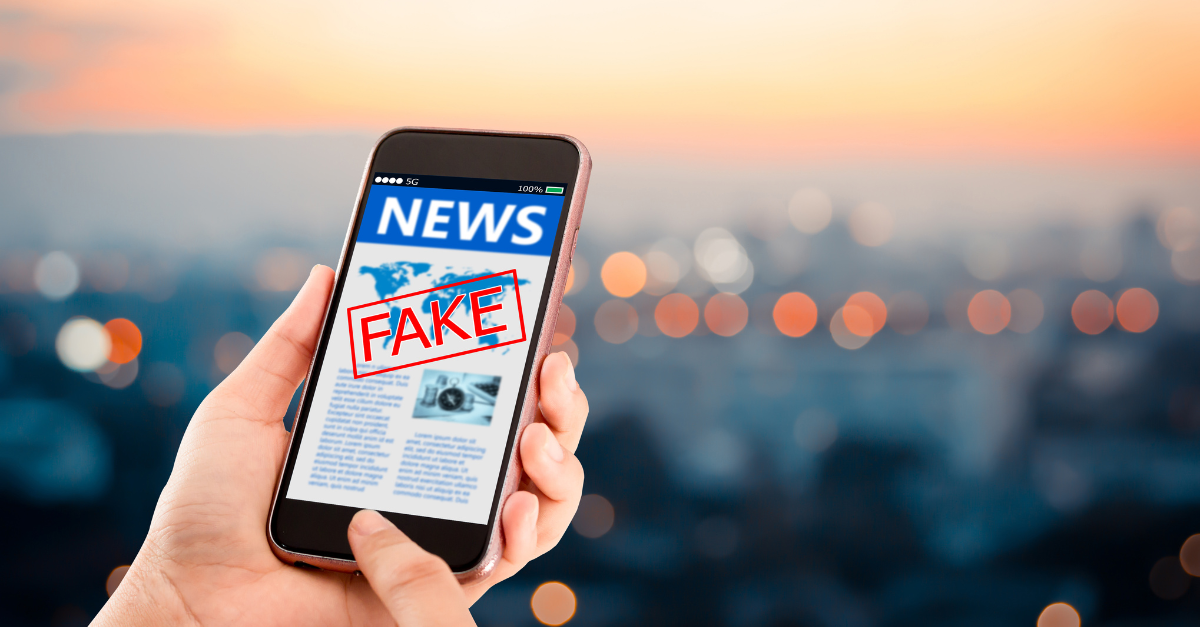
In the age of digital media, information is more accessible than ever before—but so is misinformation. Fake news, once an occasional nuisance, has grown into a global threat Fake news with very real consequences. These aren’t just exaggerated headlines or harmless hoaxes. Today, fake news influences elections, undermines public health, fuels social division, and even incites violence. What was once seen as a virtual problem now plays out in the real world with serious implications. As truth becomes harder to find, society finds itself in a dangerous place where trust erodes, facts are questioned, and people are manipulated with alarming ease.
Perhaps the most visible consequence of fake news is its effect on democracy. In recent years, misinformation has been used as a weapon during political campaigns and elections around the world. False stories about candidates, parties, or policies can sway public opinion, confuse voters, and reduce participation in the democratic process. In extreme cases, fabricated stories have even led to real-world threats against politicians or election officials. When people can’t trust the information they receive, the entire foundation of democracy—an informed electorate—starts to crumble. Without truth, it becomes nearly impossible to hold leaders accountable or make decisions in the public’s best interest.
Fake news also has a devastating impact on public health. During the COVID-19 pandemic, for instance, waves of false information about vaccines, treatments, and the virus itself spread faster than scientific facts. Some people turned to unproven remedies, avoided hospitals, or rejected vaccines altogether based on viral misinformation. This led to preventable deaths and prolonged outbreaks in many areas. Even beyond COVID-19, fake news continues to influence health decisions around nutrition, mental health, and chronic illnesses. When misinformation spreads unchecked, it puts lives at risk by encouraging dangerous behavior and undermining trust in health professionals and scientific institutions.
Social harmony is another casualty in the war on truth. Fake news often targets specific groups or communities, fueling hatred, racism, xenophobia, and division. Whether it’s fabricated stories about immigrants committing crimes or conspiracies about religious minorities, the goal is often to provoke anger, fear, or suspicion. These lies can lead to real-world consequences like harassment, discrimination, or even violence. In some countries, fake news has even played a role in inciting mob attacks or ethnic violence. As people become more polarized and less willing to listen to differing views, the fabric of society begins to tear—one false headline at a time.
Beyond the immediate harm, fake news also damages long-term trust in institutions. When people repeatedly encounter misinformation, especially when it’s left unchallenged, they begin to question the credibility of news outlets, governments, scientists, and educators. Even legitimate information can be dismissed as “fake” if it doesn’t align with someone’s beliefs. This creates an environment where conspiracy theories flourish and where truth becomes subjective. Without trust, society becomes more vulnerable to manipulation, and bad actors—from scammers to foreign governments—can take advantage of the chaos for their own gain.
So, what can be done to address the real-world consequences of fake news? The solution isn’t simple, but it starts with education and awareness. Teaching digital literacy—especially how to recognize, question, and fact-check information—is crucial at every level of society. Schools, workplaces, and communities must all play a role in equipping people with the skills they need to navigate a complex media landscape. Additionally, social media platforms and tech companies must take greater responsibility for what is shared on their platforms, improving algorithms, labeling misinformation, and promoting credible sources. Fact-checking organizations, journalists, and public figures also have a role to play in defending the truth and pushing back against viral lies.
In conclusion, fake news is not just an online issue—it’s a powerful force that causes real harm in the real world. It undermines democracy, endangers public health, fuels social conflict, and chips away at trust in our most important institutions. But while the problem is massive, it’s not unbeatable. By promoting truth, fostering critical thinking, and holding platforms and people accountable, we can begin to repair the damage and protect society from the ongoing threat of misinformation. In a world where lies travel fast, defending the truth has never been more urgent—or more essential.