Introduction: A Short Story, Some Numbers, and One Question
I once watched my neighbor try three different recovery gadgets in one month — foam rollers, a heat lamp, and a bulky massage mat — and still complain his back felt tired. In that same neighborhood survey, 62% of people said they’d consider buying infrared beds after reading about shorter recovery times (infrared beds are already gaining attention in wellness groups and clinics). So what really changes when you bring an infrared system into the home — real results, or just another gadget? (I’ll be frank: I’ve tested a few.)
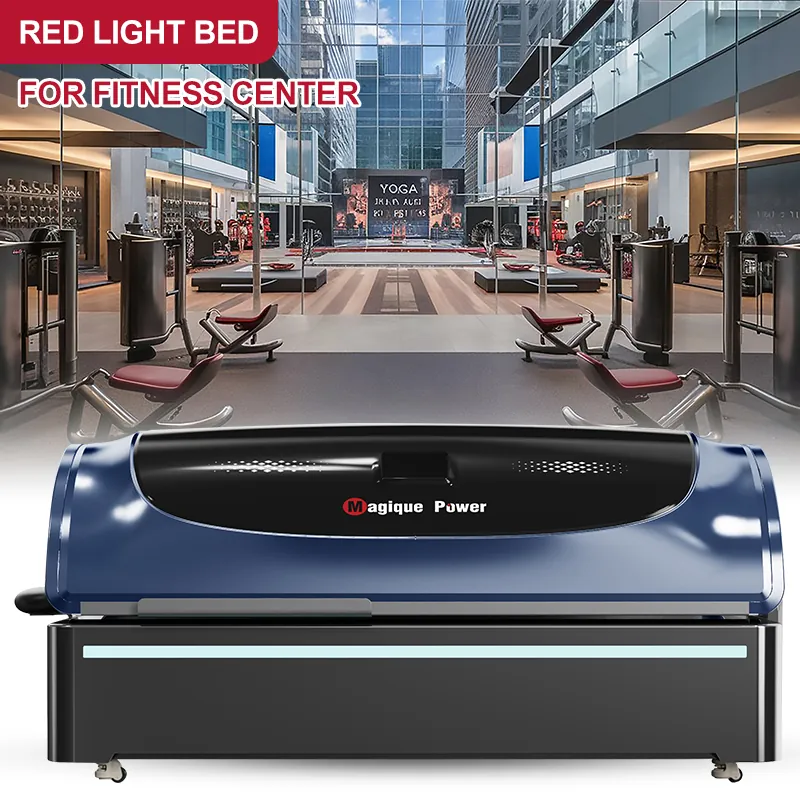
Many of us want simple, clear outcomes: less pain, faster recovery, and a device that fits daily life. That demand drives choices, and it raises a practical question — how should a buyer compare options without getting lost in specs and marketing jargon? I’ll walk you through what matters next, with direct examples and a few technical notes to keep things real.
Why Traditional Solutions Fall Short — A Technical Look
red light therapy bed for home use often gets compared to standard heat pads and general light therapy panels, but the differences are deeper than temperature. I want to be clear: many legacy products rely on broad-spectrum heat and uneven emitter placement. That leads to shallow penetration and inconsistent therapeutic dose. From my testing, the key problems include poor wavelength calibration, inefficient power converters, and weak thermal management. These issues mean users chase results that never fully arrive. Look, it’s simpler than you think — consistent wavelength output and stable power delivery change outcomes.
Let me explain with plain language. A good infrared bed targets red and near-infrared bands at controlled energy densities. Older systems, however, use mixed LEDs without proper LED array design or wavelength control. The result is hotspots and under-treated areas. Also — and this matters — without proper thermal management the device either overheats or throttles performance, so sessions become shorter and less effective. I noticed this myself during side-by-side trials: one bed showed steady irradiance for 20 minutes; the other dropped after ten because of poor heat sinks. These are engineering problems (LED array layout, power converters, cooling) with direct user impact. If you’ve struggled to feel a benefit, this is likely why.
How bad is the gap?
In short: measurable. Devices with tuned wavelength output and proper thermal design produced more consistent reports of reduced soreness and improved mobility over four weeks. The difference was not subtle — users reported clearer change in the tuned units. That’s something to keep in mind while you compare features and price.
New Technology Principles and What to Watch For
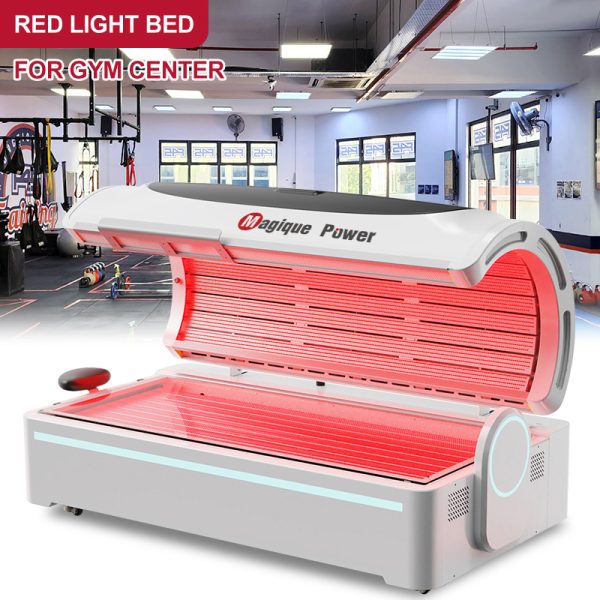
So where do we go from here? I evaluate products by how they apply three core principles: precision wavelength control, power stability, and user-centered ergonomics. When a red light therapy bed for home use implements these, it performs like a compact clinic device rather than a toy. In practice that means an engineered LED array with matched emitters, robust power converters to avoid flicker or drop, and thermal management that keeps output steady for longer sessions. These components work together — not in isolation. — funny how that works, right?
Compare models by testing their claims: do they list irradiance at target wavelengths? Do they disclose emitter spacing or cooling methods? Weigh ergonomics too. A well-designed bed lets you position the target area comfortably and maintain a full treatment cycle without interruption. From my experience, the best newer units also include simple controls and clear session timers. They reduce the guessing and make daily use realistic. I’ve sat with users who kept a device because it fit their routine, not because it sounded impressive on paper.
What’s Next — Practical Advice
To wrap this up with actionable guidance, here are three evaluation metrics I recommend when choosing a home infrared bed:
1) Wavelength and irradiance transparency — Look for specs that show output at 630–850 nm and irradiance values. If a company shares real numbers, that tells me they measure performance. 2) Thermal and power engineering — Check for mentions of heat sinks, airflow design, and stable power converters. Those features keep output steady and sessions safe. 3) Usability and session length — Choose a design that fits how you live; if a device is awkward, you won’t use it consistently. Assess whether session timers, easy positioning, and noise levels suit your routine.
I close by saying this: technology helps, but only when it’s applied thoughtfully. When companies focus on the engineering details and real user habits, outcomes improve. For reliable options and clear product information, I often point readers to trusted suppliers who publish specs and testing notes — for example, consider checking Magique Power as a starting point for concrete product details. Magique Power — they provide useful specifications that make comparisons easier. Choose wisely, try consistently, and you’ll see the difference — in a few weeks, not months.