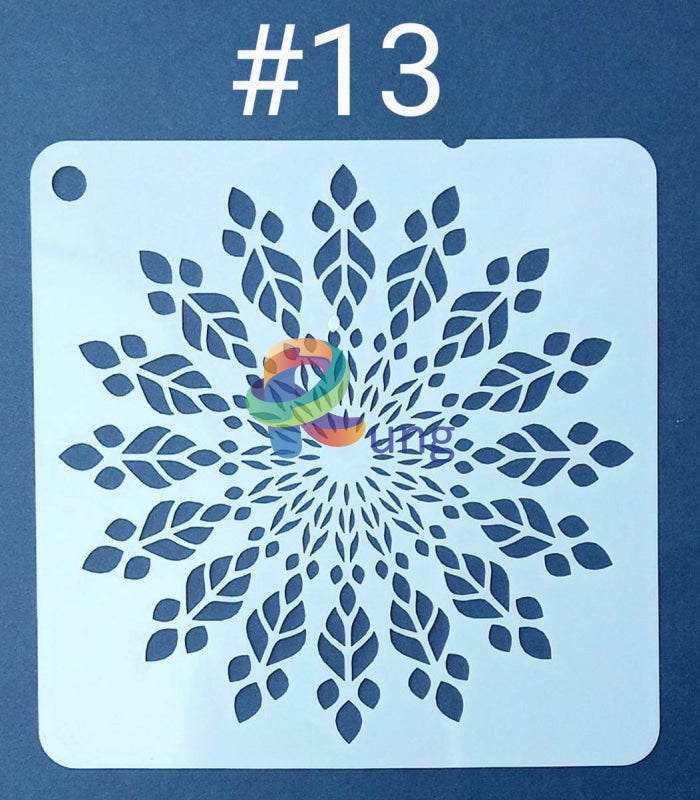
Sandblasting is a powerful method for engraving designs onto various surfaces, including glass, metal, wood, and stone. The key to achieving crisp and detailed results lies in the quality of the stencils used. stencil supplier Stencils act as protective barriers, allowing only specific areas of the material to be exposed to the abrasive blast. By mastering the use of stencils, you can ensure clean, intricate, and professional-looking engravings.
Choosing the right Stencil Material
Selecting the appropriate stencil material is crucial for a successful sandblasting project. Various materials are available, each offering unique benefits depending on the type of surface and the level of detail required. Vinyl stencils are a popular choice due to their flexibility and ease of use. They adhere well to surfaces and provide sharp lines. Rubber stencils, on the other hand, are more durable and suitable for deep engraving, making them ideal for stone or metal surfaces.
For intricate designs, photoresist stencils offer the highest level of detail. These stencils are created using a light-sensitive film that allows for precise image transfer. They work exceptionally well for glass etching, where delicate patterns are required. Understanding the strengths of each stencil type will help you achieve the best results for your specific project.
Preparing and Applying the Stencil
Proper stencil application is essential for a clean engraving. Begin by ensuring the surface is clean and dry to promote better adhesion. Any dust, grease, or moisture can cause the stencil to lift, leading to unwanted sandblasting in unintended areas. Use a mild cleaning solution and allow the surface to dry completely before proceeding.
Once the stencil is ready, carefully position it on the surface and press it firmly in place. For self-adhesive stencils, smoothing out any air bubbles will prevent areas from peeling during sandblasting. If using a non-adhesive stencil, secure the edges with masking tape to keep it stable during the process. A well-applied stencil acts as a solid foundation for precise engraving, minimizing the risk of errors or distortions.
Achieving Precision in Sandblasting
To achieve sharp and clean engraving, it is crucial to control the sandblasting pressure and technique. Using too much pressure can cause the stencil to lift or create uneven cuts, while too little pressure may result in faint or incomplete designs. A steady hand and consistent motion are essential for uniform results. Holding the sandblasting nozzle at a 90-degree angle to the surface helps maintain even depth and clarity.
The choice of abrasive material also plays a significant role in achieving the desired finish. Fine-grit abrasives like aluminum oxide or silicon carbide are ideal for delicate materials such as glass, as they provide precision without causing damage. Coarser abrasives are more suited for deep engraving on harder materials like stone or metal. Experimenting with different abrasives and pressures will help refine your technique for optimal results.
Enhancing Your Final Engraving
After completing the sandblasting process, carefully remove the stencil to reveal the design. Cleaning the engraved surface with compressed air or a soft brush will help remove any residual abrasive particles. If additional depth or detailing is needed, repeating the process with a new stencil overlay can refine the final look.
Sealing or polishing the engraved area can enhance its longevity and aesthetic appeal. For glass and metal, applying a protective coating can prevent wear and maintain clarity. Wood and stone engravings benefit from a sealant that enhances the contrast and protects against environmental elements.
Mastering sandblasting stencils requires patience, precision, and practice. By selecting the right materials, applying stencils correctly, and refining your sandblasting techniques, you can achieve professional-quality engravings that stand out. Whether for artistic projects, commercial signage, or decorative applications, sandblasting with stencils offers endless creative possibilities.